Quick answer: if you want a polished single-player squad tactics game in the Clone Wars setting, Zero Company is an easy game to shortlist. Its strongest qualities are readable tactical systems, meaningful squad relationships/permadeath pressure and a cinematic Star Wars campaign. The main cautions are that the structure is deliberately familiar to XCOM players, the story is largely linear, and PC/Steam Deck performance deserves attention.
What this review is based on
This page separates confirmed mechanics from critical opinion. Official EA and StarWars.com sources establish what the game contains; launch reviews from established outlets provide experience-based judgments. PC Gamer scored the game 90/100 and praised it as a major Star Wars tactics release, while GamesRadar's review also responded positively to the XCOM-style design. Those scores are opinions, not facts that every player will share.
Steam user sentiment is also useful but changes continuously. Any percentage should be treated as a dated snapshot rather than evergreen truth. Use the live Steam page if current user-review status is part of your buying decision.
Combat is familiar, but the Star Wars fit is strong
At the mechanical level, Zero Company uses recognizable modern turn-based tactics ideas: cover, Action Points, Overwatch, hit chances, injuries and optional permanent death. The important question is not whether those ideas are new, but whether they work together. Three AP per Operator, weapon-specific AP costs and a shared Advantage resource create clear turn-planning choices without making the interface inaccessible.
Specializations give each Operator a job. Scout and Scoundrel create setup and resource opportunities, Heavy manipulates enemy pressure, Medic protects the roster, Sharpshooter rewards stable long sightlines, and Soldier/Assault provide more direct roles. This makes squad composition legible even before the player memorizes every ability.
Objective design prevents every map becoming pure elimination
Official mission examples include Sabotage, Rescue, Retrieval, Combat and hero-focused narrative missions. StarWars.com's beginner guide explicitly reminds players that they do not always need to kill every enemy. That objective focus helps movement and extraction matter rather than reducing tactics to clearing a room from the best cover.
The Cycle structure adds pressure outside combat. A mission advances time, Operations can expire, and the player cannot complete every opportunity. That means "winning" includes deciding what not to do, an important ingredient for a strategic campaign.
Bonds and injuries make characters matter
The roster mixes authored characters with custom Operators. Bonds improve between characters and can unlock combat synergies. Optional permadeath means an Operator can become more valuable over time because they represent both a build and a network of relationships.
This is where the game gains emotional weight beyond a pure combat puzzle. A late-mission extraction feels different if a wounded character carries hours of progression and pair-specific synergy. If you dislike losing characters, EA lets you turn permadeath off, so the campaign does not force that style on everyone.
Story and presentation
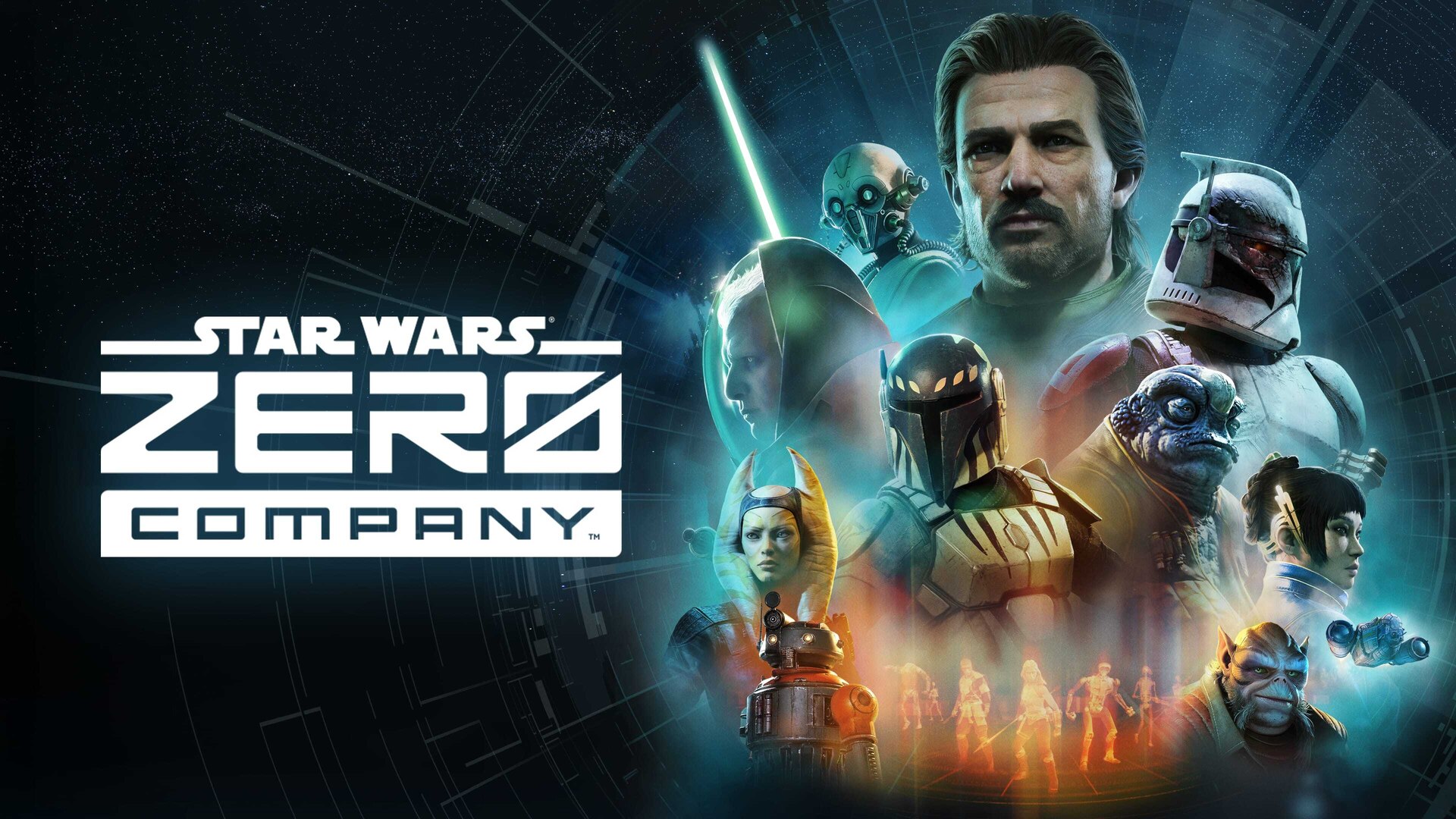
Zero Company is set during the twilight of the Clone Wars and centers on Hawks' independent outfit confronting the Infinite Coil. Public cast material includes Matt Lanter as Anakin Skywalker, Dee Bradley Baker as Trick and Rekha Sharma as Fathom. The presentation is therefore closely tied to recognizable Star Wars performance history while introducing an original squad.
The main structural caveat is that developers have described the overall story as largely linear. Squad presence and some moments can vary, and Operations/Bonds affect the texture of a playthrough, but players expecting a romance-heavy branching RPG should calibrate expectations. This is a tactics game with a cinematic story, not a blank-slate narrative sandbox.
PC performance is the biggest practical buying check
EA's recommended PC target is relatively demanding: RTX 3080 or RX 7800 XT-class graphics, 32 GB RAM and a strong CPU for 1440p/60 High. EA also says the game is CPU-bound and recommends TSR/DLSS/FSR to best reach the recommended target. Independent reviews have reported crashes or technical hiccups on some systems.
Steam Deck is a particular caution. EA says the game is not Deck Verified at launch, and PC Gamer's review reported very poor Deck performance in its test. If a handheld PC is your main device, check current patches and user reports before buying.
Value and editions
Steam launched the Standard edition around the $50 price tier, with Deluxe costing more for cosmetics. The Deluxe content does not appear necessary for story or tactical systems, so Standard is the sensible value comparison for most players. EA also offers full access through EA Play Pro at the time of writing.
The lack of announced microtransactions is another positive point for players who want a self-contained campaign. EA's FAQ says there are no current plans for monetization/microtransactions and no DLC announcement at the time checked.
Who should buy it?
Strong fit: XCOM players, Star Wars fans who enjoy strategy, players who like persistent squad consequences, and anyone wanting a single-player campaign rather than a service game.
Think twice: players who want real-time lightsaber combat, co-op/multiplayer, a romance-focused branching RPG, or a Steam Deck-first experience.
Wait for patches if needed: players with borderline PC hardware who are sensitive to stutter or unstable framerate. The official troubleshooting documentation is already substantial, which is useful but also a sign that PC configuration deserves attention.
Review verdict
Zero Company succeeds because the Star Wars setting and tactics systems reinforce each other. Clones, mercenaries, droids and Jedi are not simply cosmetic skins; they sit inside a roster where range, abilities, relationships and survival create persistent consequences. The design is familiar rather than revolutionary, but familiarity is not a weakness when execution is strong.
The safest recommendation is buy if the phrase "single-player Star Wars squad tactics" already sounds appealing. If your interest comes mainly from Anakin, lightsabers or online play, read the gameplay and multiplayer pages first so you are buying the game it actually is.